Witte Pluisjes Op Kleding Na Wassen

Ah, those little white fluff balls that mysteriously appear on our clothes after a wash! We’ve all been there, right? You pull your favorite sweater or those crisp white shirt...

Ah, those little white fluff balls that mysteriously appear on our clothes after a wash! We’ve all been there, right? You pull your favorite sweater or those crisp white shirts out of the washing machine, feeling all virtuous about a clean load, only to be greeted by a delicate dusting of… well, pluisjes. It’s like the laundry fairies had a little snowball fight in your drum, and now you’re left with the aftermath.
Don’t you just hate it when that happens? You’re getting ready for a big meeting, you grab your best blouse, and then – BAM! – there’s a tiny white fuzz clinging to the sleeve like a persistent barnacle. Suddenly, that polished look you were going for is a little less polished, and a lot more… fuzzy. It’s the little things, isn’t it? The small, everyday annoyances that can really throw a wrench in your perfectly planned day.
And let’s be honest, it’s not just about appearances. Sometimes those little white specks can feel like they’re everywhere. They cling to your dark trousers like tiny, fluffy ghosts, making you look like you just wrestled with a giant cotton ball. You try to brush them off, but they’re stubbornly attached, and before you know it, you’re frantically picking at your clothes like you’ve got a serious case of static cling paranoia. It’s a battle no one really wants to fight, especially when you’re in a hurry.
Must Read
So, why do these little white invaders make their grand entrance? It’s actually pretty simple, and if you think about it, it’s quite logical. Your washing machine is basically a miniature textile gym. Clothes are tumbling, rubbing against each other, and sometimes, fibers break away. Think of it like when you’re doing a vigorous workout – you might shed a little sweat, right? Well, your clothes shed a little fiber. These shed fibers then float around in the wash water, and when everything comes out, they decide to settle down on your clean clothes, creating that lovely fuzzy effect.
Different fabrics are more prone to this than others. Think about those cozy, fluffy towels or your favorite fleecy jumper. They’re made of materials that naturally release fibers more easily. It’s part of their charm, their softness, their huggability! But, as we’ve discovered, it also means they’re more likely to contribute to the pluisjes phenomenon. It’s a bit of a trade-off, isn’t it? You get that incredible softness, but you also get the occasional fuzzy guest.
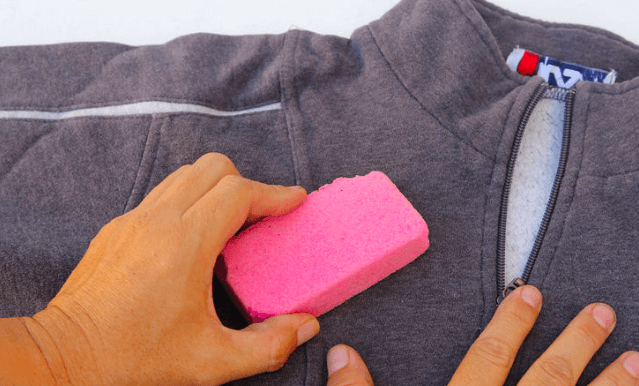 Last van pluisjes op je trui? Met dit trucje haal je ze er zo vanaf
Now, you might be thinking, “Is this really something I need to worry about?” And the answer is, well, yes! Not just because it can make your clothes look a bit sad and worn, but also because it can, over time, actually damage your clothes. When fibers are constantly being shed, it can make fabrics thinner, less vibrant, and even cause pilling. That beloved jumper that you’ve had for years might start looking a little threadbare sooner than you’d like, all thanks to those sneaky little pluisjes.
Imagine your favorite t-shirt. It’s seen you through countless movie nights, lazy Sundays, and maybe even a few questionable karaoke sessions. You want it to last, right? You want it to stay looking as good as the day you bought it. But if it’s constantly being bombarded by its own shed fibers (and those of other clothes), it’s like it’s not getting the rest it deserves. It’s like a constant, gentle exfoliation that, in the long run, isn’t all that great for its complexion.
And let’s not forget the impact on your overall wardrobe. A load of laundry that’s supposed to be a mix of colors might end up looking a bit dingy if those white pluisjes decide to grace your dark jeans. It can be really frustrating, especially when you’ve spent good money on your clothes and you want them to stay looking their best. It’s like painting a beautiful masterpiece and then accidentally dripping a little white paint on it – it just takes away from the overall effect.
 Witte pluisjes op zwarte was voorkomen | Woon-magazine.nl
The good news is, there are simple, everyday things you can do to keep these pesky pluisjes in check. It’s not rocket science, and it doesn’t require a degree in laundry engineering. Think of it as giving your clothes a little bit of extra TLC, a gentle nudge in the right direction. Because your clothes work hard for you, and they deserve a little bit of consideration.
One of the easiest tricks is to separate your laundry. This is probably the most crucial step. It might sound obvious, but you’d be surprised how many people throw everything into the machine together. Washing darks with lights is a recipe for disaster, and it’s not just about color bleeding. Those fluffy white towels can release a ton of fibers that will happily attach themselves to your black socks. So, make it a habit: whites with whites, darks with darks, and delicates with delicates. Your clothes (and your sanity) will thank you.
 Witte kleding wassen - Zo blijft je witte kleding lang mooi - Poets Prins
Another tip is to turn your clothes inside out before washing, especially darker items or those made from delicate fabrics. This helps to protect the outer surface from excessive friction. Think of it like giving your clothes a little protective shield. The inside can handle a bit more rough and tumble, while the outside, the part everyone sees, stays smoother and less prone to shedding. It's a bit like wearing your pajamas to do chores – comfortable and protective!
And what about those lint traps in your washing machine and dryer? Don't neglect them! They are literally there to catch those shed fibers. Regularly cleaning them out is like clearing away the debris after a busy day. If the lint trap is full, it can’t do its job effectively, and all those fibers will just end up back on your clothes. So, give them a quick check and a clean after each major load. It takes literally seconds, but makes a huge difference.
Sometimes, it’s also about the type of detergent you’re using. Harsh detergents can be a bit too aggressive on fabrics, causing them to break down and release more fibers. Opting for a milder, liquid detergent can be gentler on your clothes. Think of it like using a gentle facial cleanser instead of harsh soap. Your skin (and your clothes) will feel the difference.
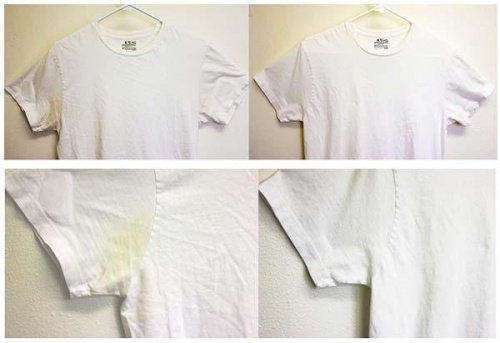 Witte Vlekken Op Kleding Na Wassen: Wat Te Doen? - Chùa Phước Huệ
And if you’re a dryer person, invest in some dryer balls! These little wonders are made of wool or plastic and help to separate your clothes in the dryer, allowing for better air circulation and reducing static cling. They also act like little fluff magnets, attracting loose fibers. It’s like having tiny helpers in your dryer, making sure everything comes out looking its best.
Finally, let’s talk about the ultimate weapon against pluisjes: the lint roller. This is your best friend when you spot those little white invaders just before you head out the door. A quick swipe, and *poof – they’re gone! Keep one in your purse, one in your car, and one by the front door. It’s the superhero of quick fixes for unexpected fuzzy situations.
Caring about these little white fluff balls isn’t about being overly fussy; it’s about preserving your clothes and making them last longer. It’s about looking and feeling your best, without the subtle distraction of unexpected fuzz. It’s about extending the life of your favorite items, saving you money in the long run, and feeling a sense of accomplishment with a perfectly clean and fresh-looking wardrobe. So, the next time you see those little white pluisjes, don’t despair. Just remember these simple tips, give your clothes a little extra love, and you’ll be well on your way to a fuzz-free future!
